Can you show blood on YouTube? In a lot of videos, yes, as long as it isn't there to shock. YouTube's Violent or graphic content policies rule out bodily fluids such as blood shown "with the intent to shock or disgust viewers," but they make room for educational, documentary, scientific or artistic context, may age-restrict a video instead of removing it, and generally leave fiction up when it's clearly fiction, as with video games. Ads are stricter, and the thumbnail is judged as an image of its own.
We read every YouTube page linked in this post on November 20, 2026. None of this is legal advice, and YouTube makes the call on each video.
What gets a video with blood removed
Picture two clips of the same road accident. One is dash cam footage of the injured, uploaded under a title like "Warning: Lots of blood." The other is a news report that explains what happened. The violent content policy gives the first as an example of content that's not allowed, and says the second may be age-restricted instead of removed.
A lot of the page turns on why something is shown. Besides blood or vomit shown to shock or disgust, it rules out road accidents, street fights, torture or corpses shown with that intent, and, with no word about intent, footage of corpses with massive injuries, such as severed limbs.
Cross the line and YouTube removes the content and emails you. A first violation usually brings a warning, which expires 90 days after a policy training; break the same policy again inside that window and a strike can follow, and 3 strikes within 90 days may end the channel.
Is it a violation?
YouTube first checks for a Community Guidelines violation, such as blood shown to shock or disgust.
Is there enough context?
If it breaks them, YouTube looks at what context is there and where. For graphic violence it must be in the video or audio.
Removed or kept up
Without enough context the content is removed. With it, an exception can keep it on YouTube.
Possibly age-restricted
Content that stays can still be age-restricted, so nobody under 18 or signed out can watch it.
Ads decided separately
The ad guidelines decide on ad revenue, limited ad earnings or none, thumbnail and title included.
The context that keeps a video up, and the age restriction that can come with it
Educational, documentary, scientific and artistic videos get room the rest don't. YouTube's page on how it evaluates EDSA content calls this an EDSA exception, decided case by case, and adding context doesn't guarantee one.
YouTube looks at where the context sits as well as what it says. For graphic violence it has to be in the video or the audio, and the violent content policy calls a title or description alone insufficient for educational content. The EDSA page's surgery example shows the gap: open wounds with details in the video about which surgery it is and why are more likely to get the exception than the same footage under a title promising to "gross out" the viewer.
Public interest counts too: YouTube may allow or age-restrict graphic footage of warzones, civil unrest, humanitarian crises or natural disasters with EDSA context in the video, its title or its description. Some content may get no exception even with context, among them the act of decapitation and footage filmed by the perpetrator of a deadly or major violent event.
The EDSA page says violent crime footage in a documentary may still be age-restricted even with an exception, and YouTube's Age-restricted content page gives two violent examples: a video with context showing a survivor's injuries in a major road accident, and one focused solely on the most graphically violent part of a film or video game.
An age-restricted video can't be watched by anyone under 18 or signed out, won't play on most third-party websites and may have limited or no ads. YouTube Studio marks it "Viewable by 18+", and you can appeal.
90 days
How long a first warning lasts after the training
3 strikes
Within 90 days, and a channel may be terminated
18+
Who can watch an age-restricted video, signed in
Video games, fiction and fake blood
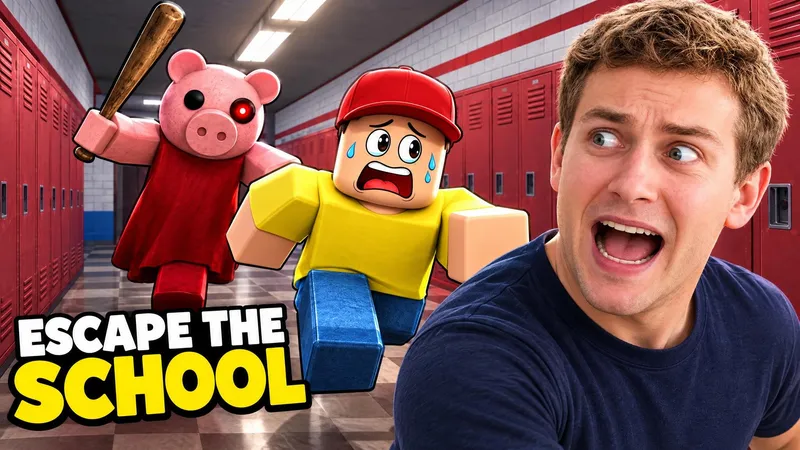
A horror game and a short film with real actors can show the same wound, and YouTube doesn't treat them the same way. The violent content policy says YouTube generally doesn't remove dramatized violence when the content or its metadata shows it's fictional, or when that's apparent from the content itself, as with animation or video games. It may still age-restrict graphic dramatized scenes, such as people being tortured, dismembered or decapitated, and violence with real human actors may be more likely to face an age restriction, especially when it's graphic or realistic.
If it's a game, it doesn't bother me. If it's real, even if it's censored, it can bother people, depending on the person.
The policy does draw a line for fiction: dramatized footage of prohibited content breaks it when the viewer "is not given enough context to understand that the footage is dramatized or fictional," and the EDSA page gives production credits, telling viewers the violence is part of a dramatic performance, as context that helps.
None of the pages we read names fake blood or makeup at all. What they judge is what's on screen and whether a viewer can tell it isn't real. The Age-restricted content page lists "a video about fake harmful pranks that seems so real that viewers can't tell the difference" among its examples, and the ad guidelines put pranks involving gratuitous amounts of body fluids under limited ad earnings.
How much blood the ad guidelines allow
A video can stay up for everyone and still earn little. YouTube's Advertiser-friendly content guidelines cover every part of a Partner Program video, thumbnail and title included, and say content focused on blood, violence or injury without other context isn't suitable for advertising. News, educational, artistic or documentary context can change that.
- Can earn ad revenue. Mild violence with minimal blood, a character falling to their knees with little or no blood, and dramatized violence, graphic or not.
- Limited ad earnings. Bloody or gory scenes where bones are visibly broken, dramatized violence with a serious injury's aftermath in view, and surgery scenes in scripted content with excessive blood.
- No ad earnings. A focus on blood, gore or bodily fluids with little to no context, and a heavy display of blood or gore, such as open wounds.
Games get lines of their own, realistic or not. Unedited gameplay violence is generally fine for ads after the first 7 seconds, and so is blurred-out violence, though montages built around gratuitous violence aren't. Graphic game violence in the thumbnail, meaning brutal killings or severe injuries focused on bodily fluids and body parts, gets limited ad earnings; add prolonged or severe agony, in the thumbnail or the first seven seconds, and it gets none.
| Question | Video game | Real life | Fiction with actors |
|---|---|---|---|
| Removed | Generally not, when it's apparent it's a game | Blood shown to shock or disgust | When viewers can't tell it's fiction |
| Age-restricted | A video focused solely on its most violent part | Injuries shown with context, like a crash on the news | Graphic scenes, more likely than in games |
| Can earn ads | Unedited gameplay violence after the first 7 seconds | Mild violence with minimal blood | Dramatized violence, graphic or not |
| Limited ads | Graphic game violence in the thumbnail | Bleeding seen through clothing after an accident | Scripted surgery scenes with excessive blood |
| No ads | Graphic game violence with severe agony in the thumbnail | A focus on blood or gore with little context | Shocking scenes with little context, solely to shock |
Blood on the thumbnail itself
The thumbnail gets read twice: by the violent content policy, which covers thumbnails too, and by YouTube's Thumbnails policy, which bans graphic or disturbing imagery with blood or gore and weighs whether violent or gory imagery is the focal point. An image that isn't right for all audiences can get the video age-restricted, or the thumbnail removed, without a strike. YouTube's thumbnail rules cover all eight banned items, and horror thumbnail ideas show how a scary story channel keeps the fear without the gore. That still leaves the creator whose video really is bloody, a real accident or crime, wondering whether any of it can go on the thumbnail.
If it's a video from real life, I'd tell them to cover it with a pixel-style censor. People still understand it's blood from the red, it's a somewhat safer picture for people who would be bothered, and if the policies have a rule about it, it wouldn't run into that either.
YouTube's pages back part of that advice, though none of them says a censor makes an image allowed. The violent content policy lists whether violent imagery "has been blurred, masked, or obscured" among the things it weighs when deciding to allow, age-restrict or remove content. The ad guidelines read blur by context: fully obscured graphic dead bodies in an educational or historical video can earn ad revenue, while obscured ones in a non-educational video earn none, and the Thumbnails policy doesn't mention blurring at all. So a pixelated wound is still judged on everything around it, and it can still end up age-restricted or with limited or no ads.
How to do this in WThumb
- Pick what shows instead of the blood. A reaction, the place, an object or the moment just before. True crime thumbnail ideas has five faceless formats built that way.
- Start in Recreate, Prompt or Templates. In Recreate, add a YouTube link or an upload, write the words you want in the Changes box (or ask for no text there), and pick your persona or Faceless. Or switch to "Prompt" and describe what the picture should show. With "Templates" you pick a ready-made card on the Classic tab (it uses your persona) or the Faceless tab, then fill its "Prompt" box with the video's topic and "Text on the thumbnail" with the words; a template makes one 16:9 picture.
- Say what stays out. Write it in the Changes box or the prompt: no blood anywhere, no wounds. WThumb asks the model to follow the reference closely when you make 1 design, so name anything bloody in it.
- Press Make. You'll spend 1 credit per picture (1 credit = 1 thumbnail), and each one is ready in about thirty seconds as a Full HD+ JPEG, 2048 x 1152 for 16:9 or 1152 x 2048 for 9:16.
- Check it before you upload. If red crept back in, press "Edit", turn on "Mark an area", mark that spot and say what goes there; the rest of the picture stays as it was.
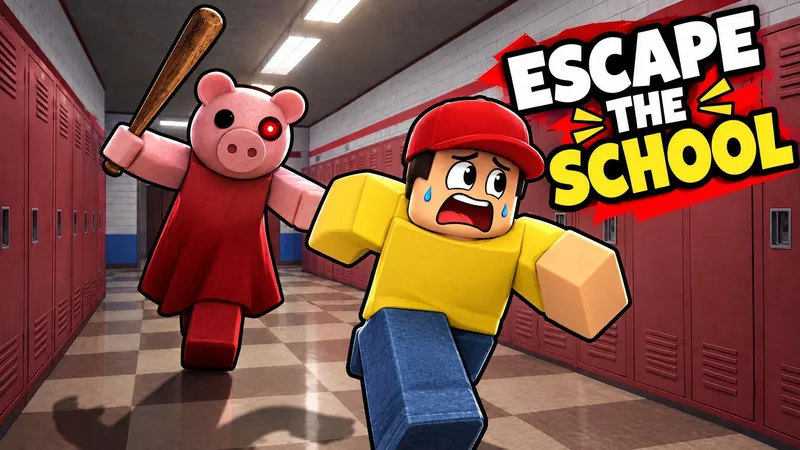
WThumb doesn't check YouTube's rules for you
Everything you type passes a moderation check before anything is generated, and a refused request costs nothing. That check reads your words, and nothing in WThumb compares the finished picture with YouTube's pages, so what goes up is your call. New accounts get two free credits, no card.
A brief to paste
- Change the title to "THE NIGHT SHIFT".
- No blood anywhere and no wounds.
- Show an empty ambulance bay at night instead, doors open, blue lights on the wet ground.
- My worried face in front.